The New Morning Stand-Up
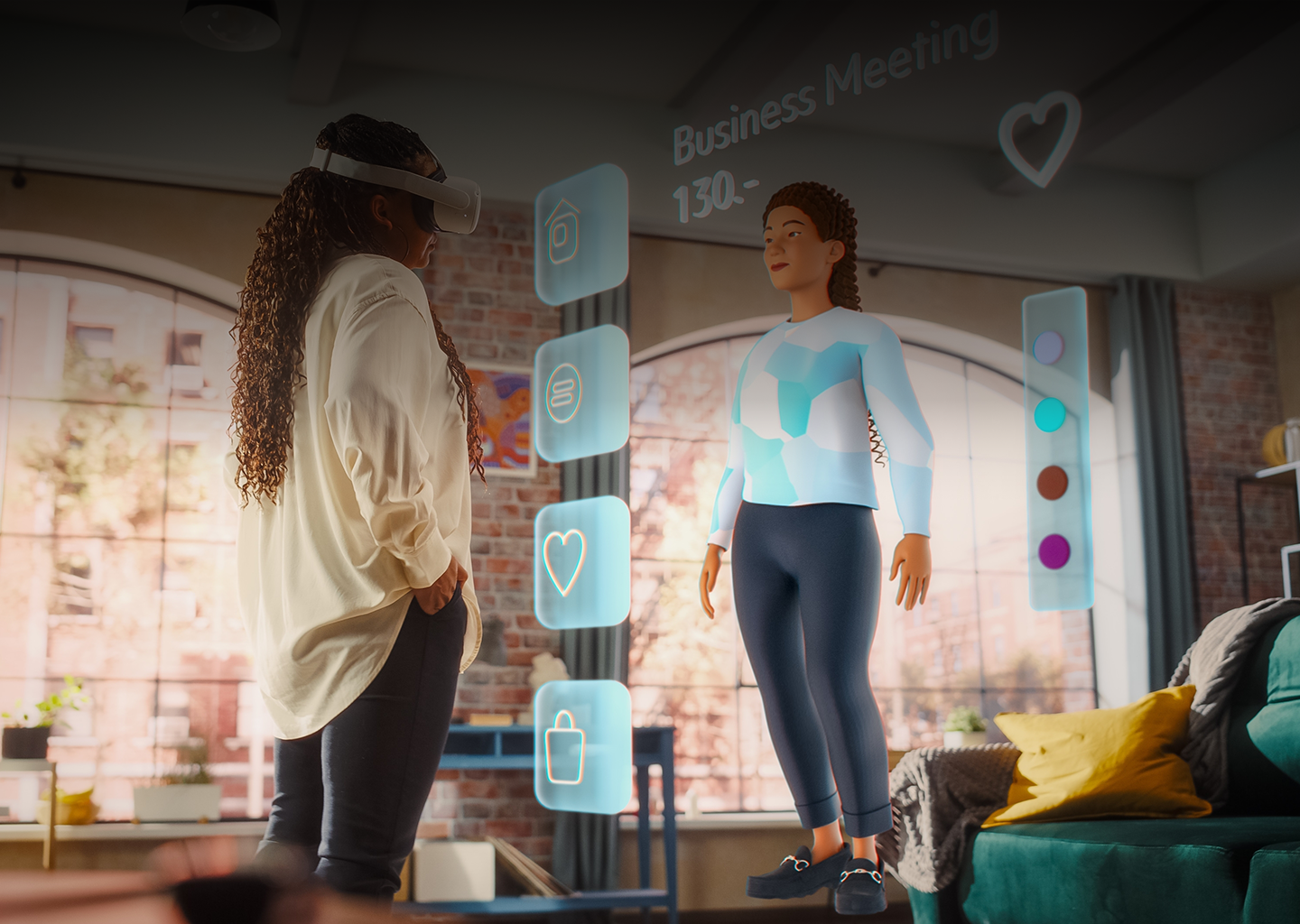
It’s 9:00 AM in Chicago. 10:00 PM in Singapore. Two product managers walk into the same room. They whiteboard, laugh, and hash out a new idea. Not a single plane ticket was booked. No calendar invites necessary. Just two minds meeting in a shared space, that happens to be entirely virtual.
This isn’t a sci-fi script. It’s happening now in forward-thinking banks, consultancies, and tech firms that embrace the metaverse as more than just a novelty. They’re treating it as what it truly can be: the new headquarters.
We’ve optimized for remote. Now it’s time to optimize for presence.
Why the Real Problem Isn't Remote Work: It's Disconnection
We’ve spent the last few years arguing over whether remote work is better than office work. But that’s the wrong conversation. The real challenge isn’t where people work, it’s how they feel while working.
Remote work gave us flexibility, but it also gave us:
- Fewer spontaneous conversations
- Lost mentoring opportunities
- A lack of visibility across teams
- "Always on" Zoom fatigue
According to a recent Harvard Business Review, hybrid teams report lower informal learning and weaker social cohesion.[1]
In short, geography is killing serendipity.
If you're in consulting or banking or any industry where creative collisions fuel outcomes, that matters.
The Banks Are Already Doing It
Let’s be clear: the metaverse is not just for marketing teams or digital artists.
Big banks and global institutions are already experimenting with metaverse-enabled collaboration:
- JPMorgan launched the Onyx Lounge in Decentraland, exploring metaverse spaces for internal training, client engagement, and virtual events.[2]
- HSBC purchased land in The Sandbox to engage with future generations of customers.[3]
- Citi and Accenture are actively researching metaverse applications for talent collaboration, onboarding, and knowledge sharing. [4][5]
This isn't hype. It's a shift.
Why Corporate America Is Lagging Behind
Despite all this movement, most traditional firms are still stuck in the Zoom/Slack/Teams loop. They call it "hybrid" but really, it's disjointed.
Here’s what that looks like:
- In-office employees bond over lunch. Remote teammates are left out.
- High-potential talent feels invisible.
- Culture slowly erodes because there's no shared space to reinforce it.
Meanwhile, leadership continues to measure productivity in hours instead of energy. This is not just inefficient, but unsustainable.
What the Metaverse Actually Offers (Beyond the Buzzwords)
Let’s demystify it. The metaverse, in this context, means:
- Persistent digital spaces that teams can walk in and out of
- 3D environments that foster proximity-based interaction
- Avatars that increase participation, presence, and even inclusivity
Platforms like Virbela, Microsoft Mesh, and NVIDIA Omniverse already support:
- Virtual boardrooms and breakout spaces
- Product walkthroughs in shared 3D models
- Internal conferences and learning hubs
According to BCG’s report on the impact of the metaverse on business 6, financial services firms are exploring these tools to support deeper co-creation, faster feedback loops, and stronger cross-border teams.
Rebuilding Culture With Presence, Not Proximity
Great teams aren’t built in cubicles. They’re built in moments of shared curiosity, feedback, and creativity.
The metaverse can recreate this by offering:
- Avatar-led onboarding journeys that make learning immersive
- Virtual town halls where every employee is front row, regardless of location
- Drop-in coffee corners where team members chat between meetings
And the best part? This isn’t a generational thing. Sure, Gen Z may be more fluent in digital immersion, but even veteran consultants and bankers light up when they can walk through a digital product roadmap instead of staring at a 75-slide deck.
Automation Meets the Metaverse: The Ultimate Power Play
This is where our world comes in—RPA (Robotic Process Automation).
We’ve spent the past decade automating the “what” of work. Now we need to evolve the “where” and how.
Imagine this:
- A virtual operations floor where bots run repetitive workflows while humans handle real-time exceptions.
- Fraud escalation teams from three continents meet in a secure metaverse room to review live dashboards.
- Onboarding journeys that integrate RPA workflows behind-the-scenes, while the new hire walks through an avatar-led immersion experience.
We’re not replacing humans. We’re augmenting talent by giving them space to do their best work.
The Biggest Risk? Waiting Too Long
Let’s not forget: most enterprises laughed at cloud in 2005. Today, they’re spending millions on retrofitting.
Metaverse technology is in its early innings, yes. But so was Zoom in 2017. So was Slack in 2015.
The organizations that win in this decade will be:
- Bold enough to experiment
- Strategic enough to scale
- Human enough to center experience, not just efficiency
Waiting for the metaverse to be perfect is like waiting for smartphones to get cheaper before building an app. The future won’t wait.
Final Thought: Build Headquarters for Minds, Not Bodies
What if we stopped measuring success by badge swipes and desk occupancy? What if we stopped dragging our best people into offices, and started building digital spaces they actually wanted to log into?
The metaverse isn’t about replacing offices. It’s about redefining what an office feels like. Camaraderie. Presence. Shared purpose.
And once we start designing for that feeling, instead of just real estate footprints, we’ll finally build a workplace worthy of the talent we claim to hire.
If you’re serious about designing a future-ready workplace that blends automation and presence, now’s the time to act. Let’s stop playing catch-up and start building what’s next.
The views and opinions expressed in this blog are those of the author and do not necessarily reflect the official position or perspective of Photon.